
The Return of the Bearded Vulture: A Serious Bird With a Questionable Reputation
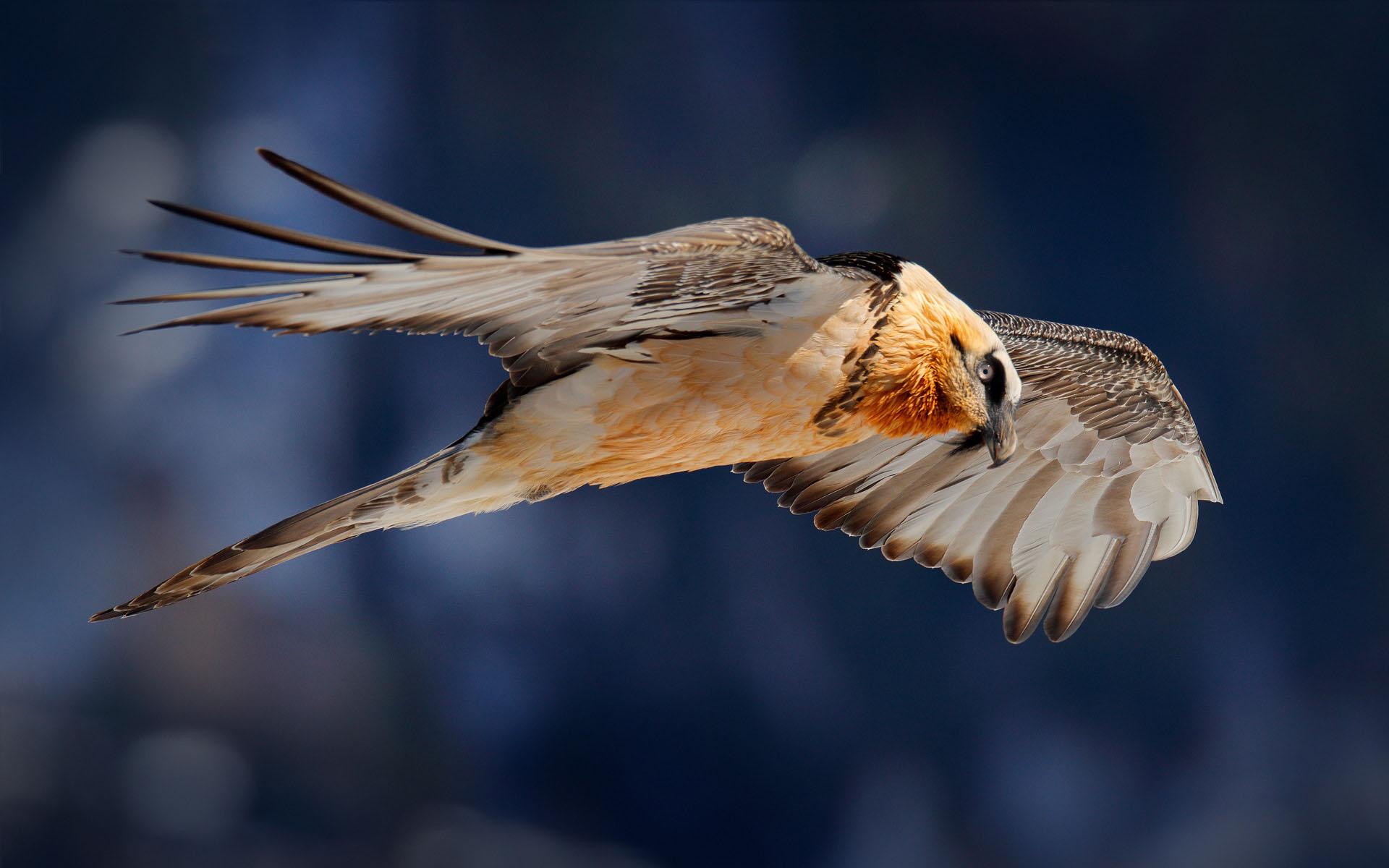
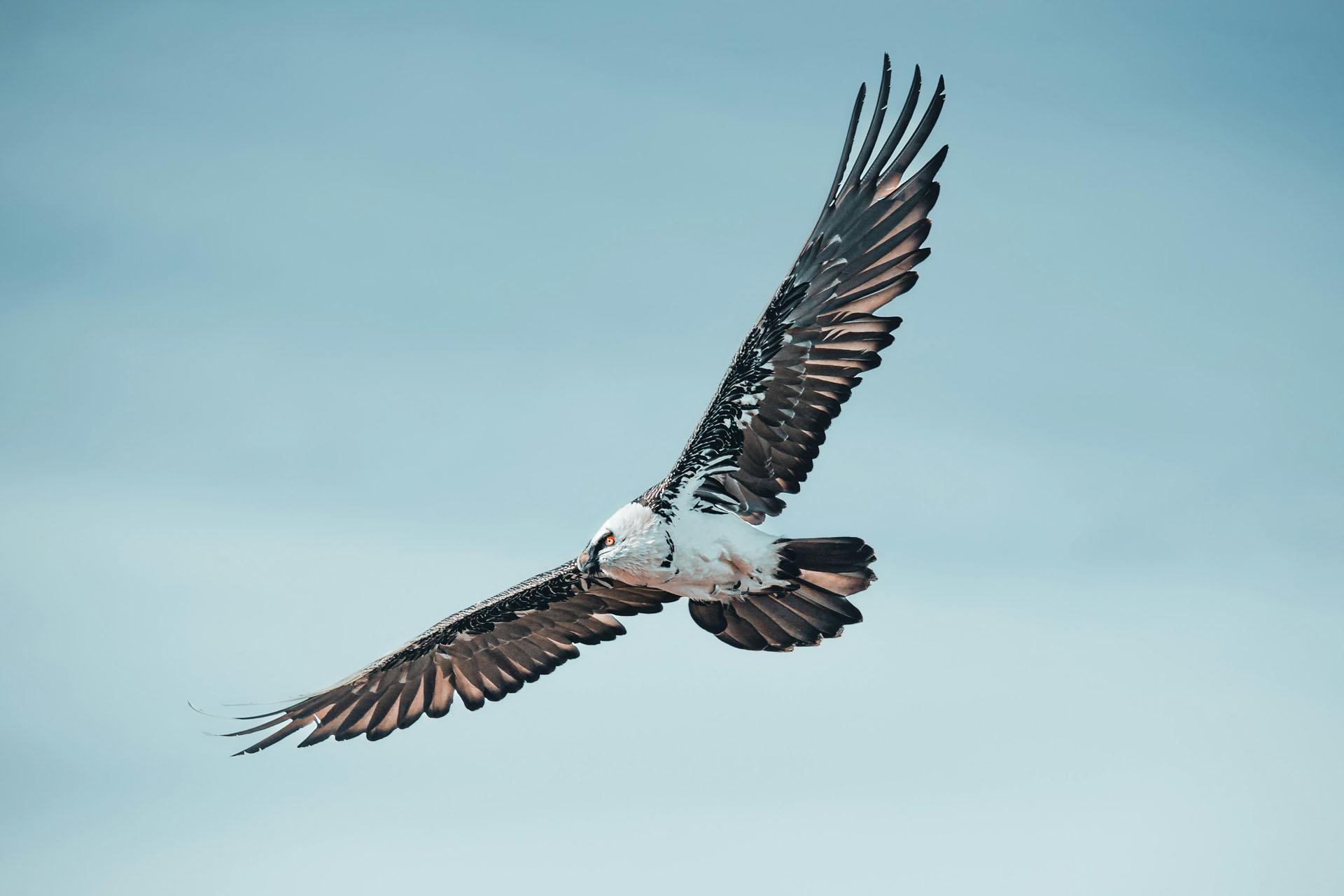
For a bird that spends most of its life at high altitude and largely avoids human attention, the bearded vulture (Gypaetus barbatus) has inspired a remarkable amount of anxiety over the centuries. Elegant, solitary, and unmistakable in flight, it was once a familiar presence in the Alps. By the early twentieth century, however, it had been entirely eliminated from the region, the victim of persistent myths and enthusiastic persecution. Its recent reintroduction—particularly relevant to areas such as Chamonix, Saint-Gervais, and the wider Auvergne-Rhône-Alpes region—stands as one of Europe’s quieter but more instructive conservation successes.
The bearded vulture’s disappearance from the Alps was thorough. Farmers and hunters blamed it for killing livestock and even children, accusations unsupported by evidence but enthusiastically repeated. As a result, the last Alpine individual was killed in 1913. For decades afterward, the species existed only in natural history illustrations and in the Alpine imagination, where it retained a reputation for menace despite no longer being present to defend itself.
An Unusual Ecological Role
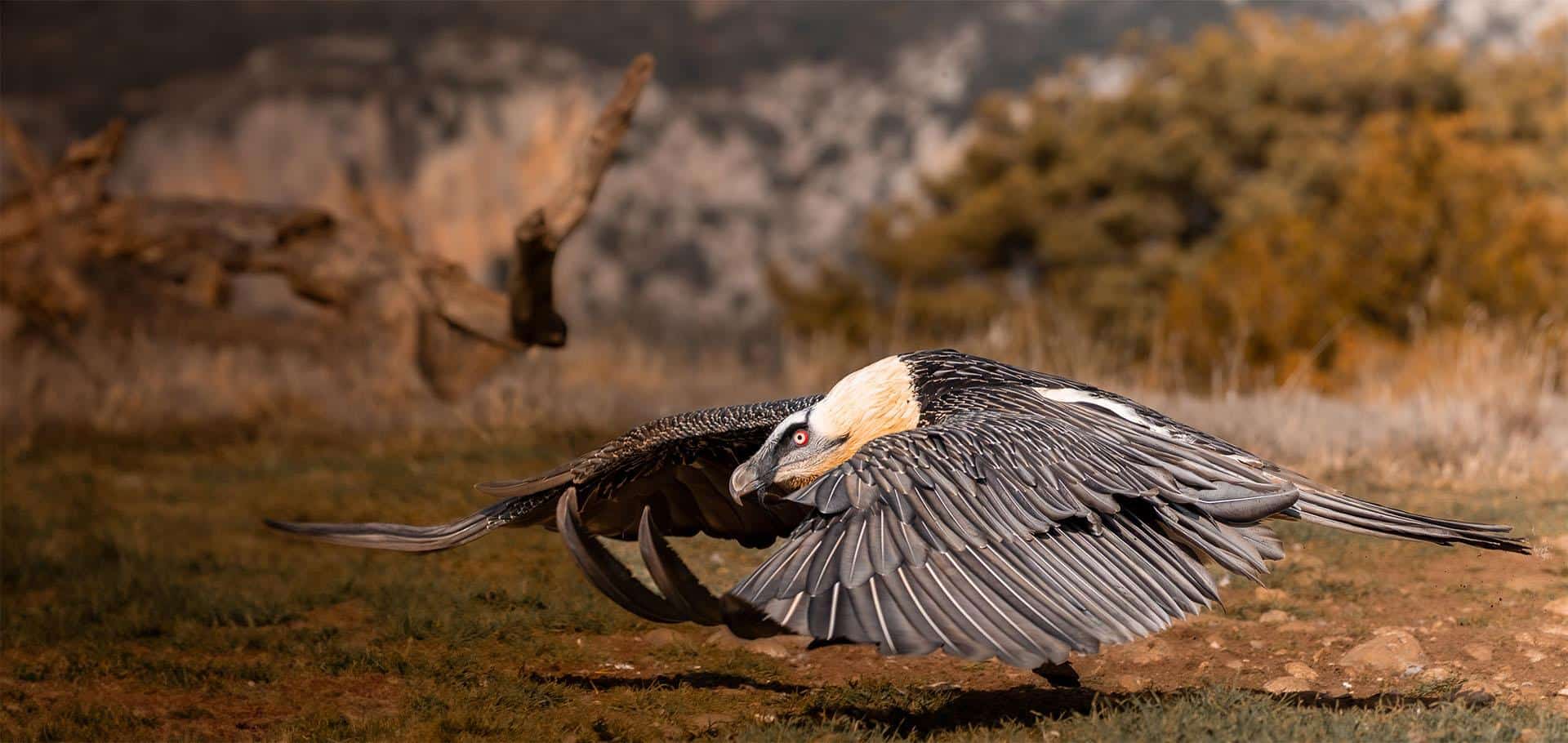
What distinguishes the bearded vulture from other scavengers is its diet. While most vultures focus on soft tissue, this species specialises in bones, which can make up the majority of its food intake. Large bones are carried aloft and dropped onto rocks to break them into manageable pieces. This behaviour is both efficient and visually striking, though it does little to soften the bird’s public image.
Ecologically, the bearded vulture performs a valuable service by removing remains that other scavengers leave behind, reducing disease risk and accelerating nutrient recycling. It is also a species that reproduces slowly, reaching maturity late and raising only one chick at a time. These traits make it ill-suited to rapid recovery, and they explain why its return to the Alps required patience rather than optimism alone.
Reintroducing a Lost Species
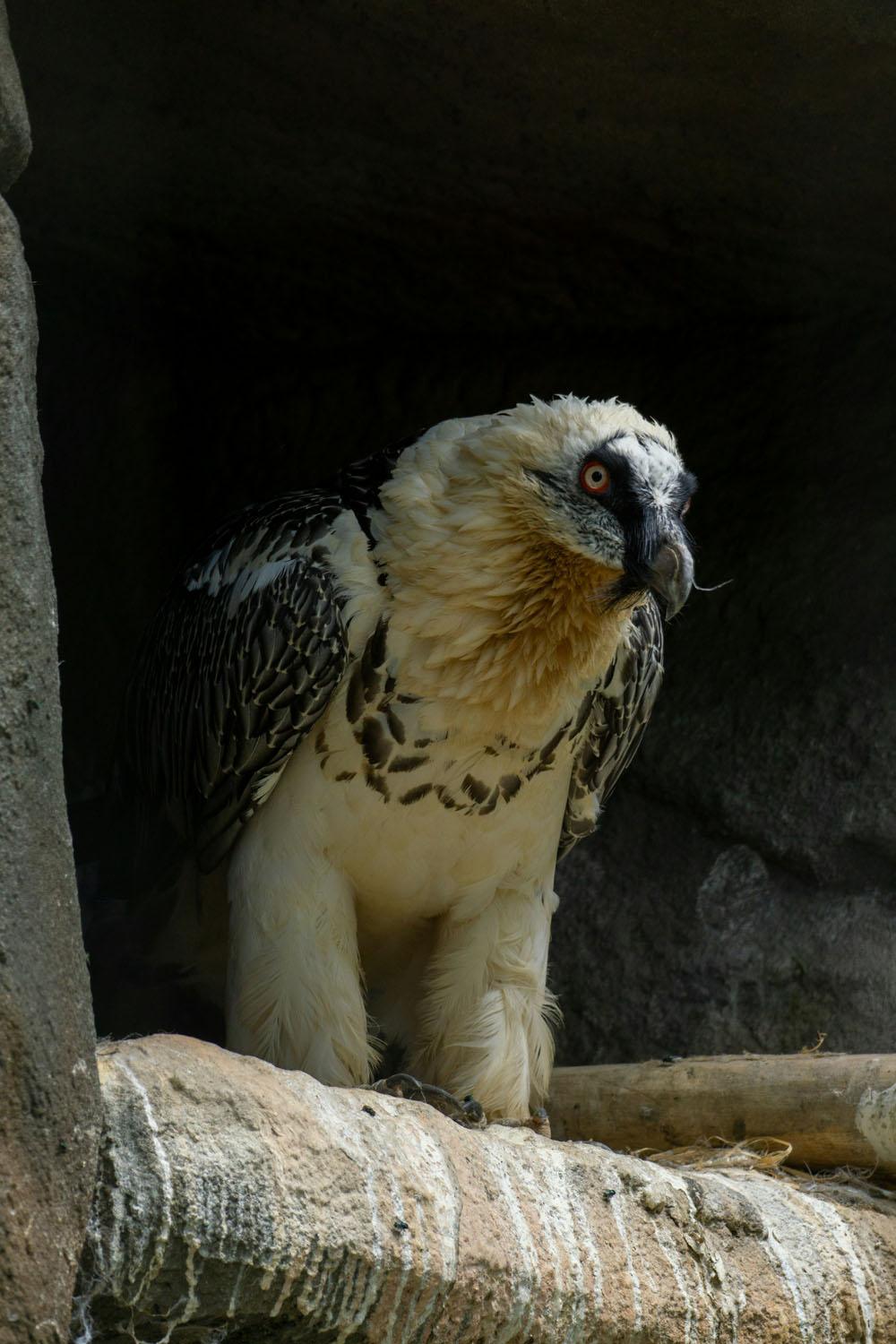
The modern reintroduction programme began in 1986, coordinated across Alpine countries including France, Switzerland, Austria, and Italy. Captive-bred chicks were released using the “hacking” method: young birds were placed in artificial cliff nests, fed discreetly, and allowed to fledge without human contact. The aim was to ensure that the birds identified the Alps—not breeding centres—as home.
Over time, these efforts produced tangible results. Hundreds of bearded vultures have been released, and a self-sustaining population has gradually emerged. Mortality remains a concern, particularly from poisoning, lead contamination, and collisions with infrastructure, but the overall trend is cautiously positive. The species has returned not as a curiosity, but as a functioning component of Alpine ecosystems.
Auvergne-Rhône-Alpes: A Supporting Landscape
The Auvergne-Rhône-Alpes region plays an important role in this recovery due to its geography. Its extensive mountain ranges, cliffs, and sparsely inhabited high elevations provide ideal conditions for foraging and nesting. While not all releases occurred within the region, it forms a critical part of the broader Alpine network, allowing birds to disperse and establish territories across national and administrative boundaries.
This connectivity is essential. Bearded vultures routinely travel long distances, and individuals observed in France may have originated in Switzerland or Italy. Conservation success here depends less on local ownership than on shared responsibility across borders.
Chamonix and Saint-Gervais: Shared Skies
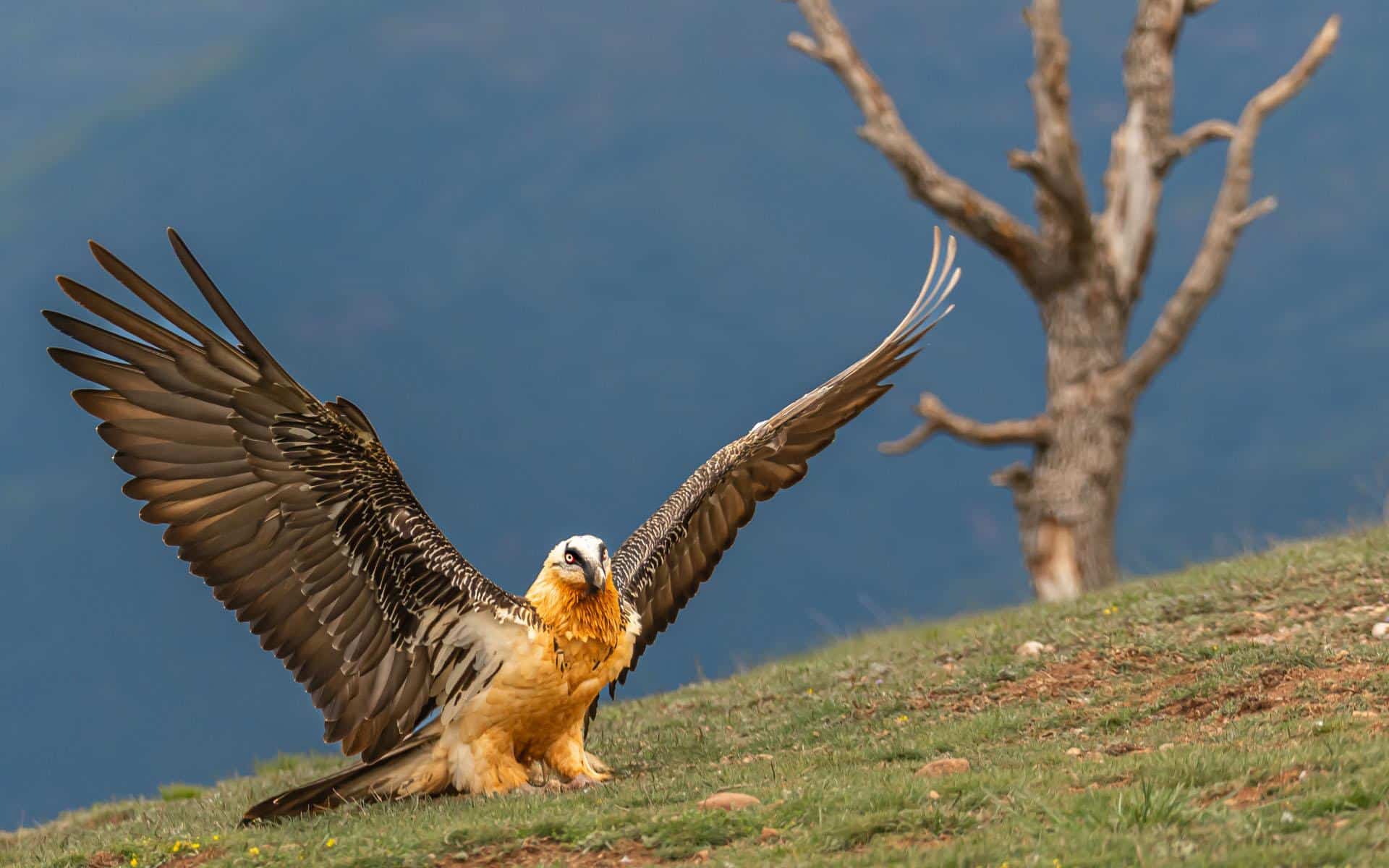
In Chamonix, the bearded vulture has become an increasingly familiar, if still understated, presence. The cliffs and thermals around the Mont Blanc massif provide excellent flight conditions, and sightings have become more frequent over the past two decades. Unlike some wildlife, the bird has not become a tourist attraction in the usual sense. It passes overhead quietly, largely uninterested in human activity below, which suits both parties.
Nearby Saint-Gervais-les-Bains offers similarly suitable habitat. Known more for its thermal baths than its raptors, the town sits beneath slopes and cliff systems that the bearded vulture uses for transit and foraging. Observations suggest regular passage through the area, reinforcing the idea that the species has reintegrated into the landscape rather than confined itself to designated zones.
Conservation Without Drama
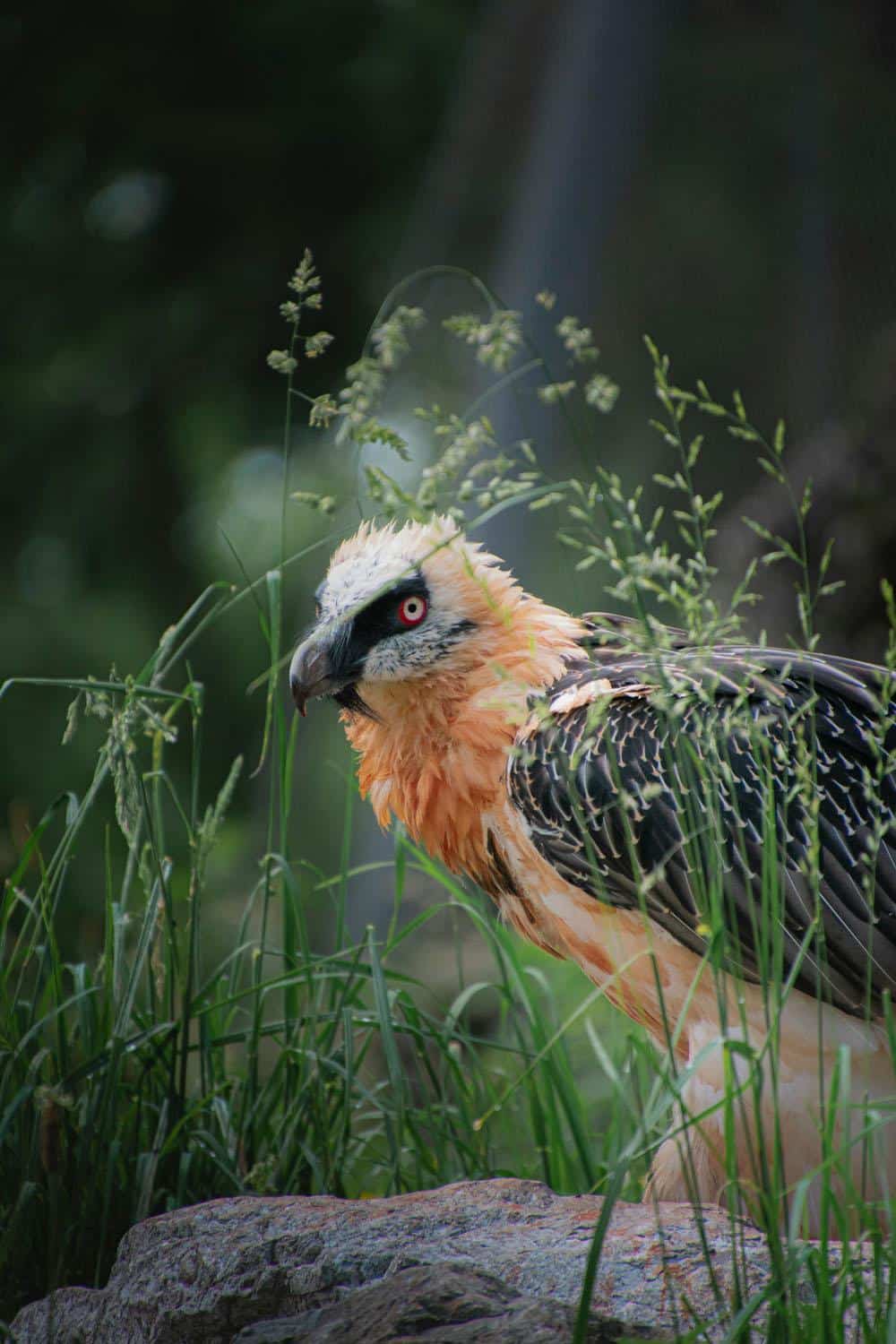
The success of the bearded vulture’s return is the result of long-term cooperation, steady funding, and extensive education efforts. Programmes such as the EU-funded LIFE Gyp’Act have focused on reducing preventable deaths and improving public understanding. Much of this work is administrative and unglamorous, involving monitoring, coordination, and negotiations with stakeholders whose priorities do not always include scavenging birds.
Nevertheless, these efforts have reshaped the species’ prospects. While still classified as endangered in parts of its range, including France, the bearded vulture is no longer absent.
A Quiet Achievement
Wild Swimming, Mountain Air, and Total Escape: Discover the Pyrenees
If you're ready to swap crowded resorts for something wilder and more meaningful, you can book a Pyrenees adventure directly...

Walking to the Roof of the World: Why Everest Base Camp Changes You
If the idea of trekking to Everest Base Camp has been sitting quietly on your bucket list, the simplest place to start is with...
Tour du Mont Blanc
The Tour du Mont Blanc is widely regarded as the world’s greatest multi-day trek—the benchmark by which all others are measured....
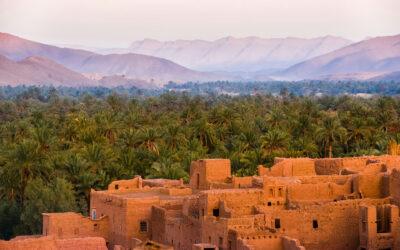
Where Desert Landscapes and Ancient Legends Meet
Southern Morocco is a land where ancient caravan routes, fortified villages, and vast desert horizons tell stories that have...
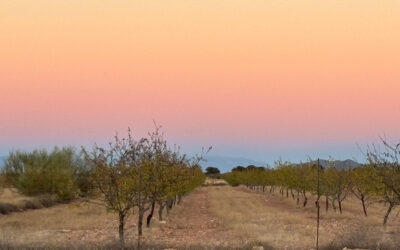
Hiking in the Alpujarras and Andalusia: Walking Through Spain’s Wild Soul
Introducing our newest journey An Andalusian Legacy; A Union of People and NatureSouthern Spain is often associated with...

Swiss Historic Mountain Hotels: Timeless Elegance in the High Alps
High in the Swiss Alps, where glaciers carve valleys and mountain passes link cultures, a collection of historic mountain hotels...

Climbing your 1st 8000m Mountain
Ever since I became enamoured with the mountains, one of my aspirations was a burning desire to climb a ‘big mountain’, of the...