
Hiking in the Alpujarras and Andalusia: Walking Through Spain’s Wild Soul
Introducing our newest journey An Andalusian Legacy; A Union of People and Nature
The Alpujarras: A Hidden World Beneath the Sierra Nevada
Tucked into the southern flanks of the Sierra Nevada mountains, the Alpujarras (Las Alpujarras) feel wonderfully remote and untouched. This is a land of steep valleys, terraced hillsides, chestnut forests, and crystal-clear mountain streams fed by snowmelt from Spain’s highest peaks.
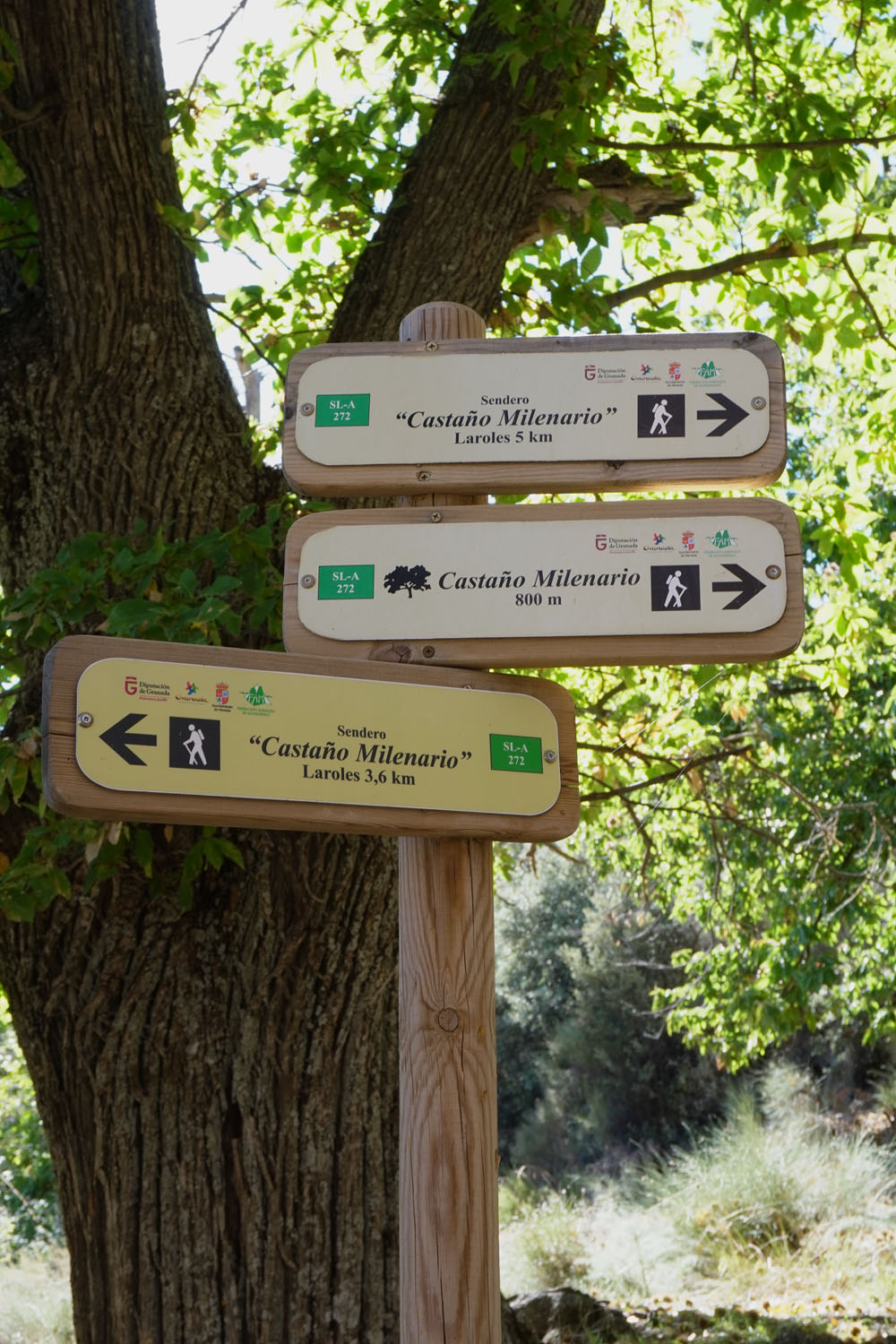
Hiking routes weave together a chain of white villages—Pampaneira, Bubión, Capileira, Trevélez—each perched improbably on mountainsides and connected by ancient mule tracks. These paths date back centuries, originally built by the Moors to link agricultural terraces and irrigation channels known as acequias, many of which are still in use today.
Walking here is gentle yet deeply immersive. Trails often pass through orchards of figs and almonds, alongside stone walls and traditional flat-roofed houses. In spring, the mountains are lush and green; in autumn, chestnut woods glow gold and copper. Even in summer, the higher routes offer cooler air and wide-open views stretching to the Mediterranean on clear days.
Andalusia’s Diverse Hiking Landscapes
Beyond the Alpujarras, Andalusia offers extraordinary variety for walkers. Within a single region, hikers can move from alpine environments to deserts, limestone gorges, cork oak forests, and Atlantic cliffs.
The Sierra Nevada National Park provides more demanding mountain hikes, including high-altitude routes near Mulhacén and Veleta, mainland Spain’s tallest peaks. In contrast, areas like El Torcal de Antequera present surreal limestone formations shaped over millions of years—an almost lunar landscape crisscrossed by well-marked trails.
To the west, the Grazalema Natural Park offers some of southern Spain’s greenest scenery, with dramatic limestone sierras, deep ravines, and abundant wildlife, including griffon vultures soaring overhead. Meanwhile, coastal paths near Cabo de Gata reveal volcanic landscapes, secluded beaches, and stark desert beauty.
A Cultural Walk Through Time
One of the great pleasures of hiking in Andalusia is the seamless blend of nature and culture. Trails often pass Roman bridges, Moorish watchtowers, abandoned farmsteads, and centuries-old villages where daily life has changed little over generations.
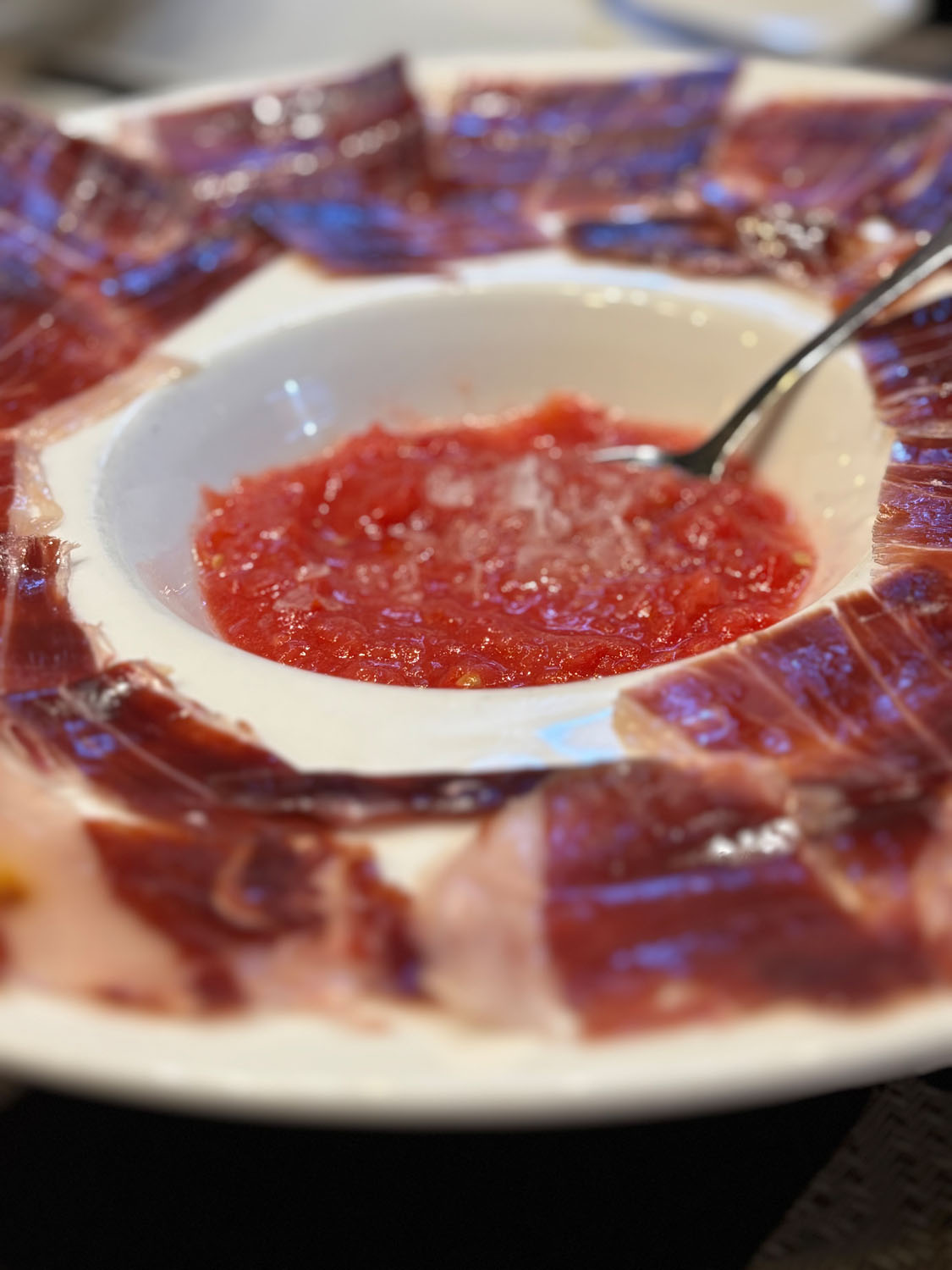
Stops along the way are rich with local flavour: simple mountain bars serving jamón serrano, goat cheese, olives, and robust regional wines. In the Alpujarras especially, hiking feels like stepping into a slower rhythm of life—where walkers are welcomed, not rushed, and the landscape is deeply respected.
When to Go and What to Expect
The best seasons for hiking in the Alpujarras and much of Andalusia are spring (March–May) and autumn (September–November), when temperatures are mild and the countryside is at its most vibrant. Summer hiking is best reserved for early mornings, higher altitudes, or coastal routes, while winter can bring snow to the Sierra Nevada, adding a dramatic alpine character to certain trails.
Most routes are well waymarked, and options range from leisurely village-to-village walks to multi-day treks. Whether hiking independently or with a guide, walkers are rewarded with solitude, authenticity, and extraordinary scenery.
Why Hike Here?
Hiking in the Alpujarras and Andalusia is about contrast—mountains and sea, history and wilderness, effort and ease. It is a place where paths tell stories, where landscapes shift with every valley, and where walking becomes a way to truly understand southern Spain.
For those seeking beauty without crowds, cultural depth without formality, and trails that nourish both body and spirit, Andalusia remains one of Europe’s most quietly exceptional hiking destinations.
Wild Swimming, Mountain Air, and Total Escape: Discover the Pyrenees
If you're ready to swap crowded resorts for something wilder and more meaningful, you can book a Pyrenees adventure directly...
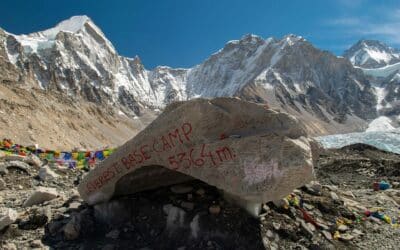
Walking to the Roof of the World: Why Everest Base Camp Changes You
If the idea of trekking to Everest Base Camp has been sitting quietly on your bucket list, the simplest place to start is with...
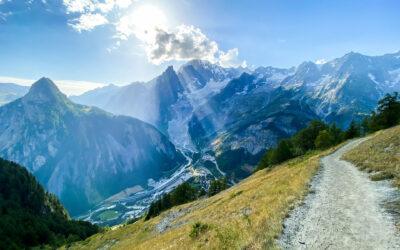
Tour du Mont Blanc
The Tour du Mont Blanc is widely regarded as the world’s greatest multi-day trek—the benchmark by which all others are measured....
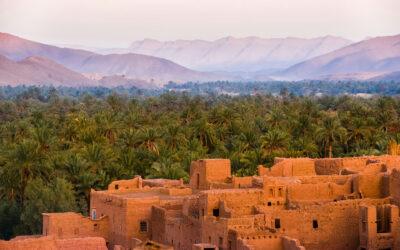
Where Desert Landscapes and Ancient Legends Meet
Southern Morocco is a land where ancient caravan routes, fortified villages, and vast desert horizons tell stories that have...
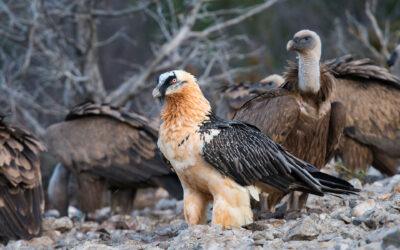
The Return of the Bearded Vulture: A Serious Bird With a Questionable Reputation
For a bird that spends most of its life at high altitude and largely avoids human attention, the bearded vulture (Gypaetus...
Swiss Historic Mountain Hotels: Timeless Elegance in the High Alps
High in the Swiss Alps, where glaciers carve valleys and mountain passes link cultures, a collection of historic mountain hotels...
Climbing your 1st 8000m Mountain
Ever since I became enamoured with the mountains, one of my aspirations was a burning desire to climb a ‘big mountain’, of the...